Franklin Sensors ProSensor 710 Professional Stud Finder Review
The ProSensor 710 replaces traditional swipe-style stud finders with an array of 13 sensors that illuminate stud centers and edges instantly. While it lacks live AC wire detection and struggles on thick plaster walls, its zero-calibration operation and clear LED bar make locating standard drywall studs simple and precise.
13 patented sensors read the wall at 13 points at once, unlike the 1 to 3 sensors in a typical stud finder
Display
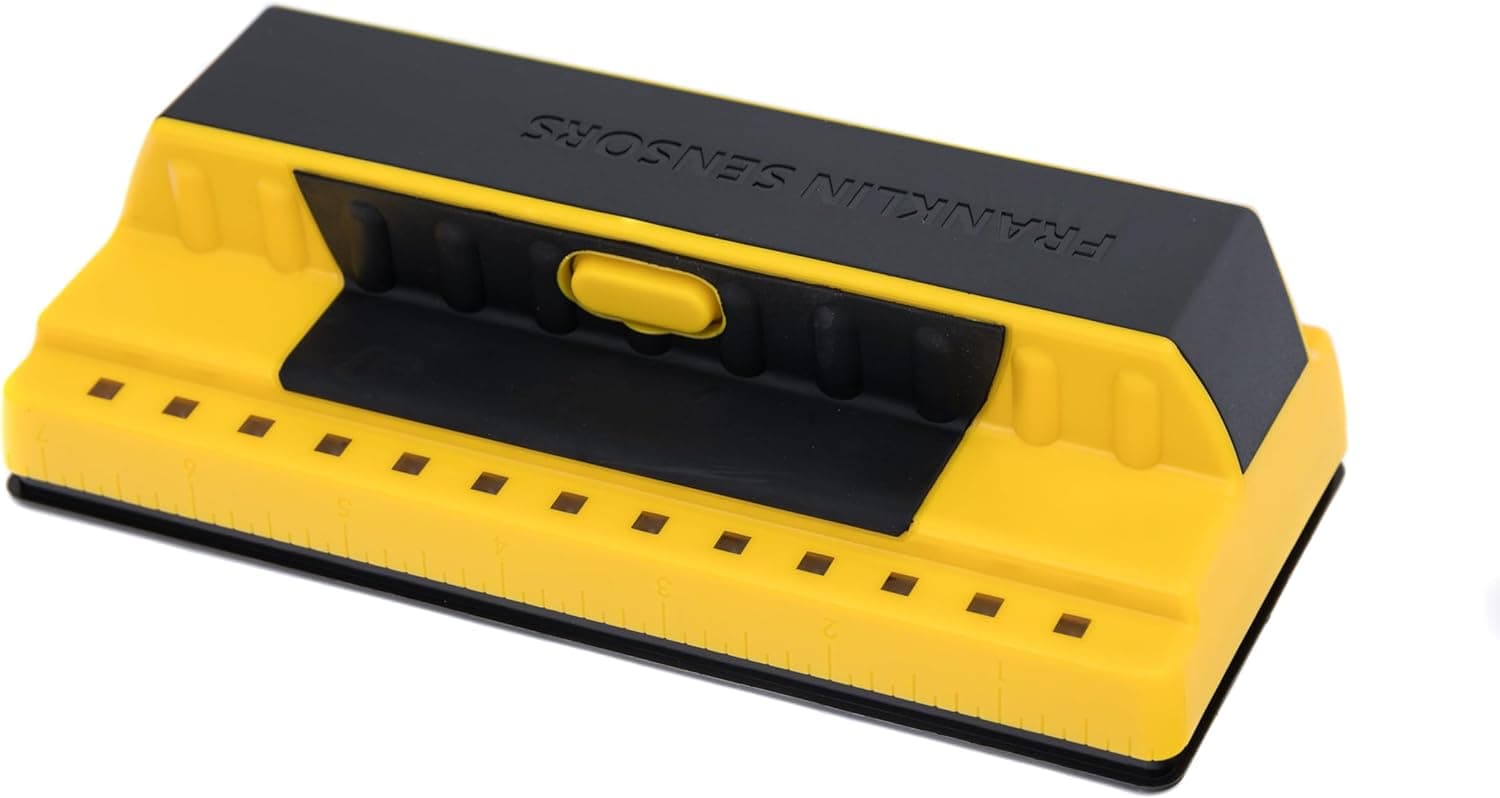
Wide row of 13 LEDs lights up the full width of a stud, showing its center and both edges at the same time, and can show multiple studs at once
Operation
Press and hold the button and it reads instantly with no sliding and no calibration step
Depth
Scans about 1.6 inches deep, enough for a single layer of drywall; a deeper-scanning ProSensor MAX is a separate model
Detects
Wood and metal studs; the 710 has no dedicated live-wire warning (the M-series models add that)
Power
2 AA batteries, not included; common cheap cells rather than a specialty battery
Build
Made in the USA from global components, 1-year warranty
Amazon Rating
4.6 stars, 8,600-plus ratings
Design & Features
The ProSensor 710 stands out from basic stud finders by using 13 patented sensors positioned along its wide body. Instead of a single light or LCD screen, a row of 13 LEDs lights up directly over framing members, indicating the center and both outer edges at once. It runs on two standard AA batteries (not included) rather than a specialty cell. Manufactured in the USA from global components, the unit carries a 1-year warranty. It relies entirely on visual LED indicators rather than audio beeps or numerical depth readings, and this standard 710 model omits dedicated live AC wire detection.
ProSensor 710 Professional Stud Finder | Shows stud edges and center instantly across a 13-LED bar without needing to calibrate or swipe across the wall.
Setup & Ease of Use
Operation is as simple as pressing the unit against drywall and holding down the side button. Because it reads 13 points simultaneously, it does not require the user to calibrate on a blank spot or perform side-to-side sliding motions. If two studs fall within its width—such as in double-stud framing or at 16-inch intervals—it lights up both locations at once. The trade-off for the wide sensor array is physical size; the tool is broader and bulkier than standard pocket units, which can make it less convenient for tight tool belts.
Performance & Real-World Usage
In practical wall-mounting scenarios, reviewers find the 710 significantly faster and more accurate than single-sensor swipe models. Being able to see the exact boundaries of a stud makes driving anchors into the center far more dependable. However, performance remains tied to standard drywall conditions. With a max scanning depth of approximately 1.6 inches, owners report that it struggles on lath-and-plaster walls, double-layered drywall, tile backerboard, or textured surfaces. As with most capacitive sensors, foil insulation and metallic mesh can also disrupt readings.
What Owners Report Over Time
Patterns pulled from verified owner reviews, not our own usage log.
First Use
Condition: Excellent
Owners note immediate results upon pressing the button, with no missed reads from improper calibration sequences.
Reviewers highlight how easily the multi-LED display identifies stud width for confident screw placement.
6 Months
Condition: Good
Holds up well in tool bags through standard home improvement and wall-mounting projects.
Users report reliable readings on single-layer drywall, though dense material surfaces still require traditional double-checking methods.
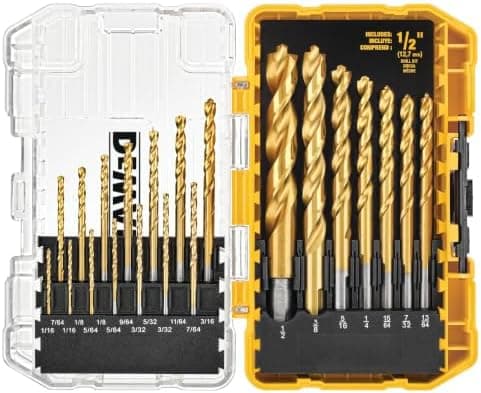
Owners frequently praise the clean cutting performance and the Pilot Point tips that allow for precise starts without a center punch. Some reviewers find the bits difficult to remove from the case, and the titanium coating can wear down when used frequently on hard metals.
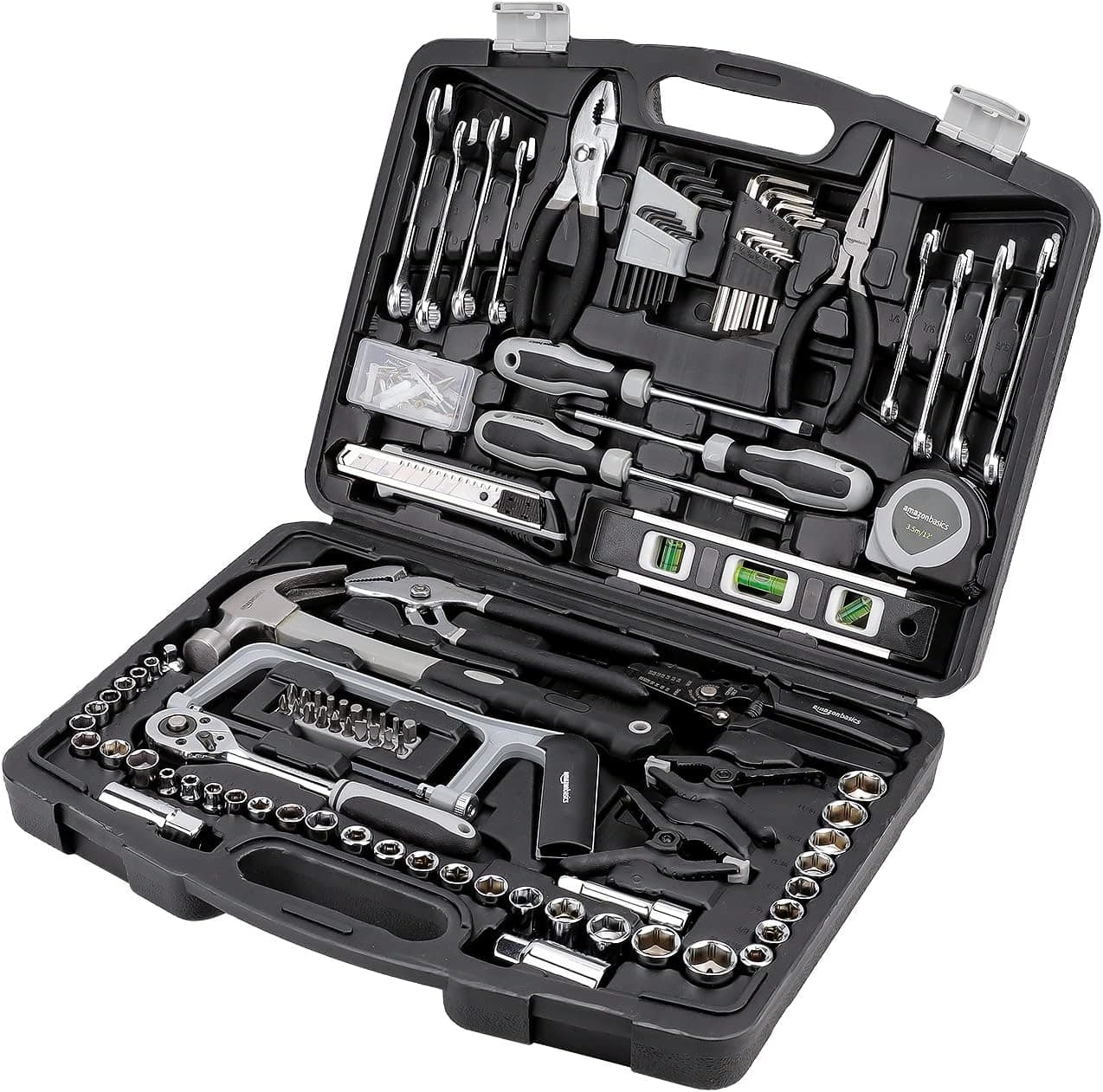
Broad 173-piece assortment with both SAE and metric sizing handles common everyday assemblies and minor home fixes. Light-duty construction cannot withstand heavy torque, and parts can jar loose inside the molded case during transit.
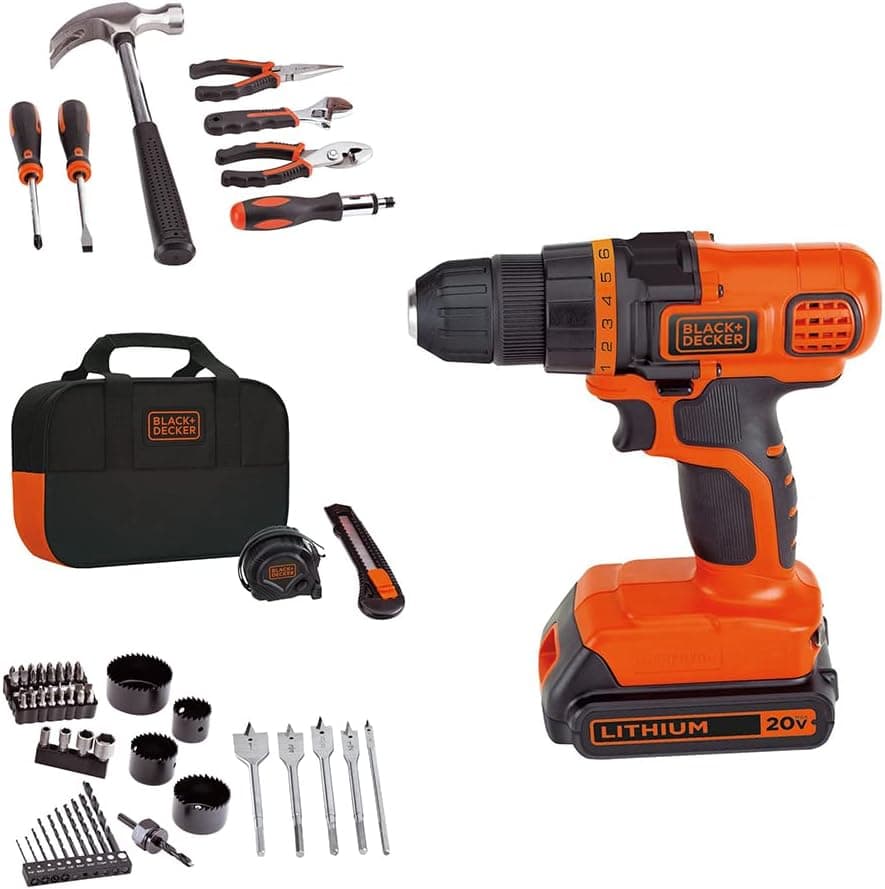
Combines a versatile 20V drill with 68 essential home maintenance tools and a convenient storage bag for under ninety dollars. Modest torque, a single 1.5Ah battery, and a slow charger limit its capability for heavy renovation work.



 8.7
8.7